Strengthening Resilience of Youth
Strengthening Resilience of Youth
Youth Camps, Youth Center and Facultative Sessions at School
Background
Tajikistan perceives serious threats from extremism and terrorism. With the Strategy on Countering Extremism and Terrorism for the period 2021-2025, based on the previous Strategy from 2016-2020, the Government of Tajikistan has shown resolve to pursue efforts of preventing and countering violent extremism and terrorism. The General Prosecutor’s Office has been assigned the task to coordinate the implementation of the Strategy and its Action Plan.
While the national Strategy and Action Plan acknowledge the vulnerability of youth and emphasize the necessity to educate and include youth in prevention efforts, the practical implementation of the strategy is considerably lacking behind regarding the inclusion, education and engagement of youth. Reasons are to be found in the lack of a culture of empowering youth, in a widespread lack of subject matter knowledge in educational institutions and in a lack of incentives for youth in terms of spare time activities, learning opportunities and chances to grow.
Adolescence is an exciting, intense and formative time of a young life. It is the time where young people prepare to step out into the world, make their first experiences outside the family and seek to find their own views and understanding of the world.
In this phase, youth are particularly open to external influences in search for orientation and role models, while at the same time their creative potential is waiting to be discovered. Often, they cannot find the guidance they need in their family and surroundings. This makes them vulnerable to negative influences such as consumption of negative internet content, drugs and crime or extremist propaganda.
PREVECA project assumes that the best prevention against choosing the wrong path is to offer positive experiences to young people, listen to them and encourage them to take responsibility for their lives and community. The youth center “Sozandagoni Fardo” wants to make such an offer and be a safe space, where youth can meet, practically engage, learn, create or just have fun under the guidance of a trusted organization experienced in working with youth.
 |
Against this background, PREVECA project has conducted several activities with the overall aim
|
Objectives and Approach
Assuming that achieving the overall goals of the project requires working not only with the youth themselves, but also with their families and communities, including government representatives, community elders and civil society organizations, the objectives of PREVECA project activities were to
- offer additional learning opportunities
- offer opportunities for growth and new social experiences
- offer possibilities to initiate activities creating a sense of purpose and agency
- sensitize youth and their communities for the risks posed by radicalization and extremism.
The project pursued these objectives along four lines of activity, namely developing educational video material, holding facultative sensitization sessions at schools, conducting youth camps, and establishing a youth centre in a selected jamoat (community). The four lines of activity form a unity of efforts under the logo of “Sozandagoni Fardo” (Creators of Tomorrow) to pursue the overall goals and objectives, though they were conducted in different locations and with different partners. Wherever possible, they were practically interlinked.
Measures
Development of Educational Videos
Although there is plenty of international video material on the market aiming at sensitization and education on the topic of preventing and countering violent extremism, none of the products speaks directly to a Tajik audience. This is why PREVECA project decided to have two different videos developed by different companies. In a lengthy process of developing the scripts and working with the companies to translate the script into images, two videos in Tajik language resulted, which were endorsed by the General Prosecutor’s Office in September 2023 (film) respectively October 2023 (animated video).
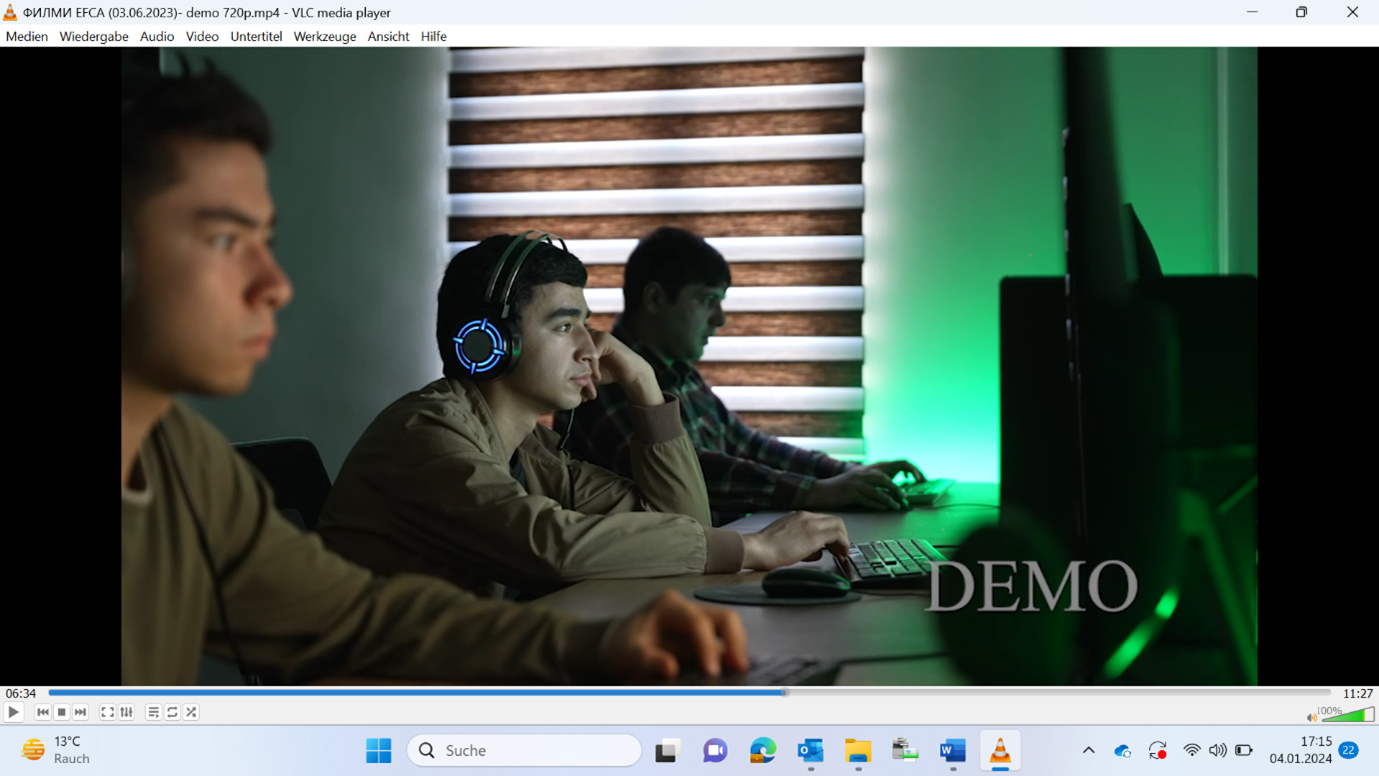
The two videos target primarily youth from approximately 15-18 and are very different in design. The first video is a film of about 11 min length, telling the story of two friends, one of which gets radicalized and finally jailed, while the other finishes school with success. It shows the change of behavior in the wake of radicalization and the impact on the family of the boy who ends up in jail. The film concludes with the messages that everybody always has a choice, that the future lies in your own hands and that the youth are the future of Tajikistan. Reactions to this video in several trainings and events have been very positive. During some of the educational events, the film drove some participants to tears. Subsequent discussions showed that the messages were fully understood and embraced.
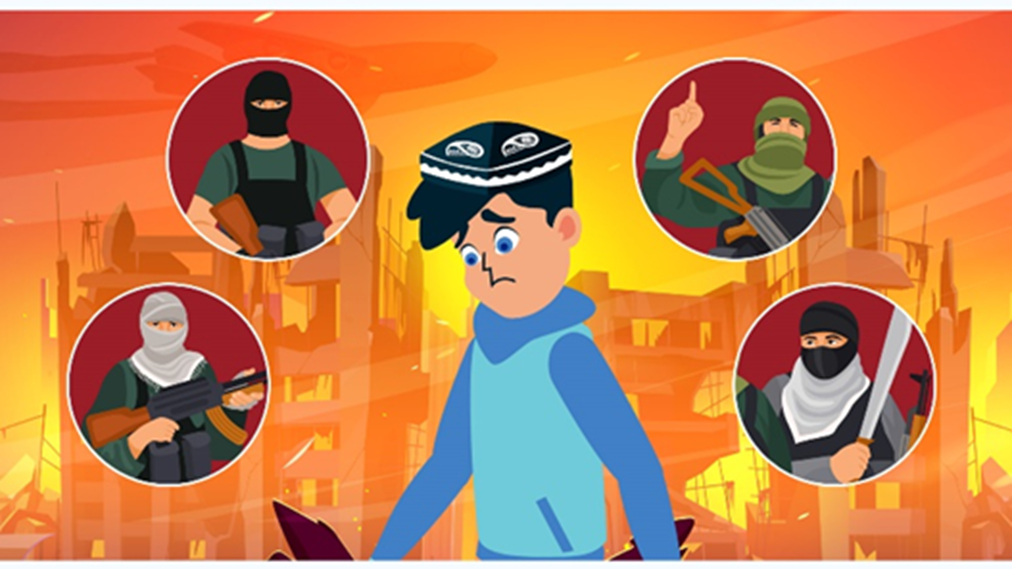
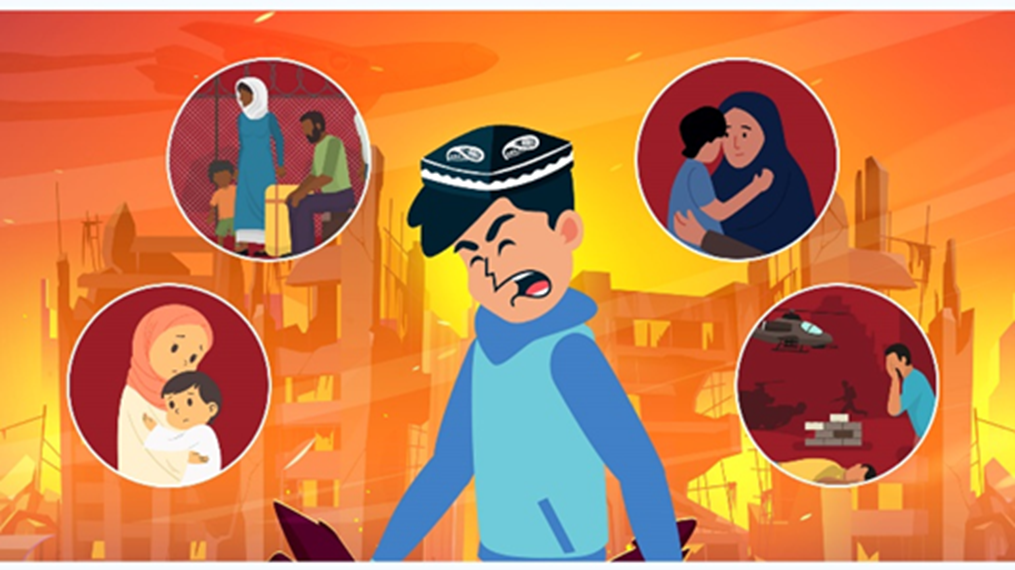
The second video is an animated video of approximately 6 min length and more of an informational nature, appealing to the conscience and decision-making capacity of young viewers. A speaker explains what extremism and terrorism is and how extremist groups phrase their messages to lure followers, accompanied by captivating animations. This video concludes basically with the same messages like the film. Since this video was shown only twice so far, its overall effect could not yet be thoroughly tested. The impression was that it was harder to understand and digest by the target audience compared to the film, which is why it is currently being slightly simplified.
|
|
|
Both products will be used in all future training and educational measures of the project in 2024. They will be additionally provided with Russian subtitles to be used in other Central Asian project countries as well.
Facultative Sensitization Sessions at Schools
In order to have as much sustainable outreach as possible, the project developed a number of measures to deliver facultative sensitization sessions at schools in 2023. In a pilot in Dushanbe, PREVECA project cooperated with a local civil society organization (CSO), Eurasia Foundation Central Asia (EFCA). Building on training material that EFCA had developed a few years ago, the first step foresaw the revision of this training material for holding trainings of teachers (ToT) from February to July 2023. Based on the resulting updated and extended training manual, two ToT for young teachers were conducted in Dushanbe in September 2023. Out of the pool of trained teachers, ten were identified to hold the first facultative sessions. Subsequently, ten pilot facultative sessions of 90 min at schools in Dushanbe were conducted in September 2023.
|
|
|
|
|
|
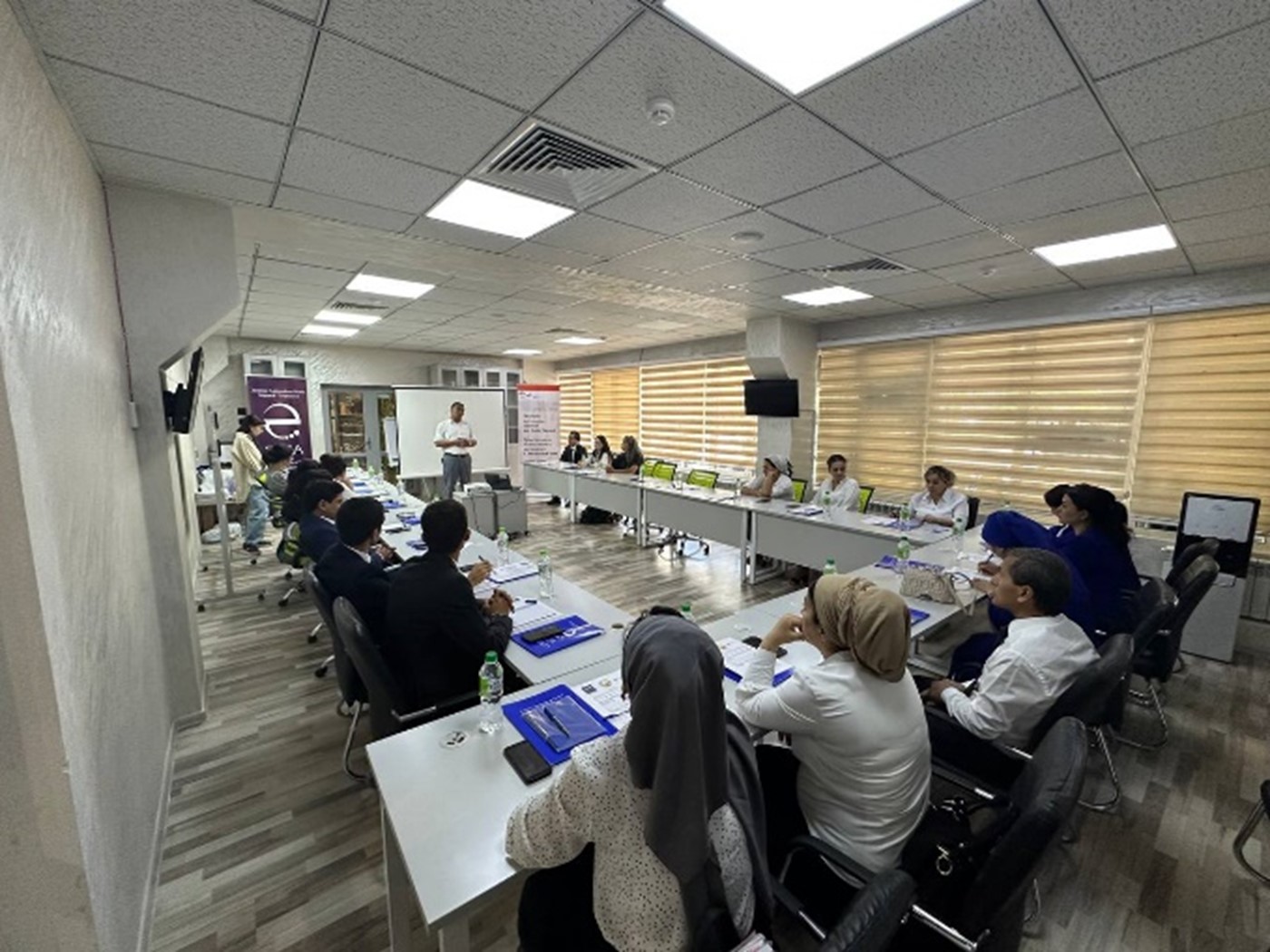
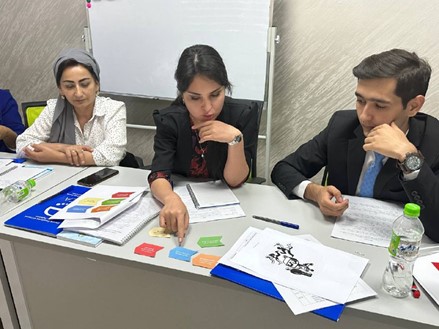
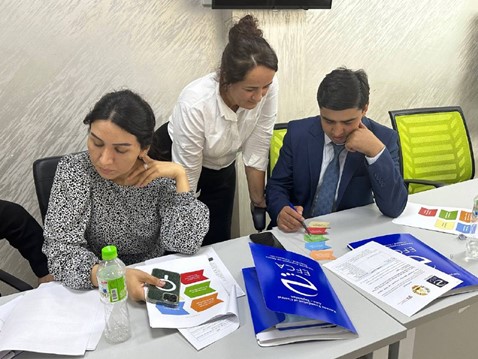

Training of Teachers, September 2023
These pilot sessions were evaluated and based on this assessment that the project will upscale this measure in several regions of the country in 2024. The training manual will be further updated and improved, and the ToT will be extended to two and a half days to allow for some practical training as well. In addition, follow-up activities at local level including local communities will be held in conjunction with the facultative sessions at schools in order to ensure more sustainability and inclusion of the whole jamoat.
|
|
|
|
|
|
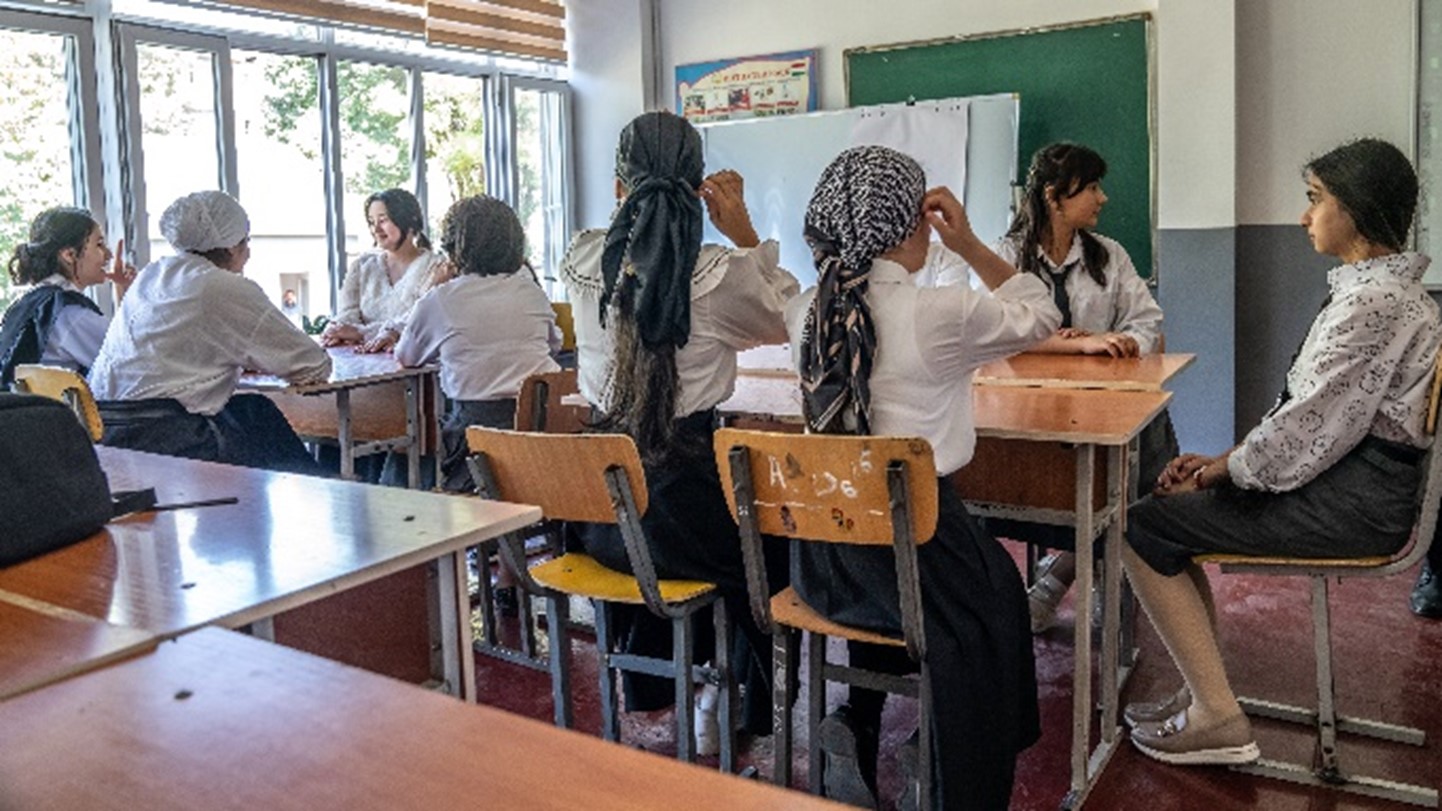
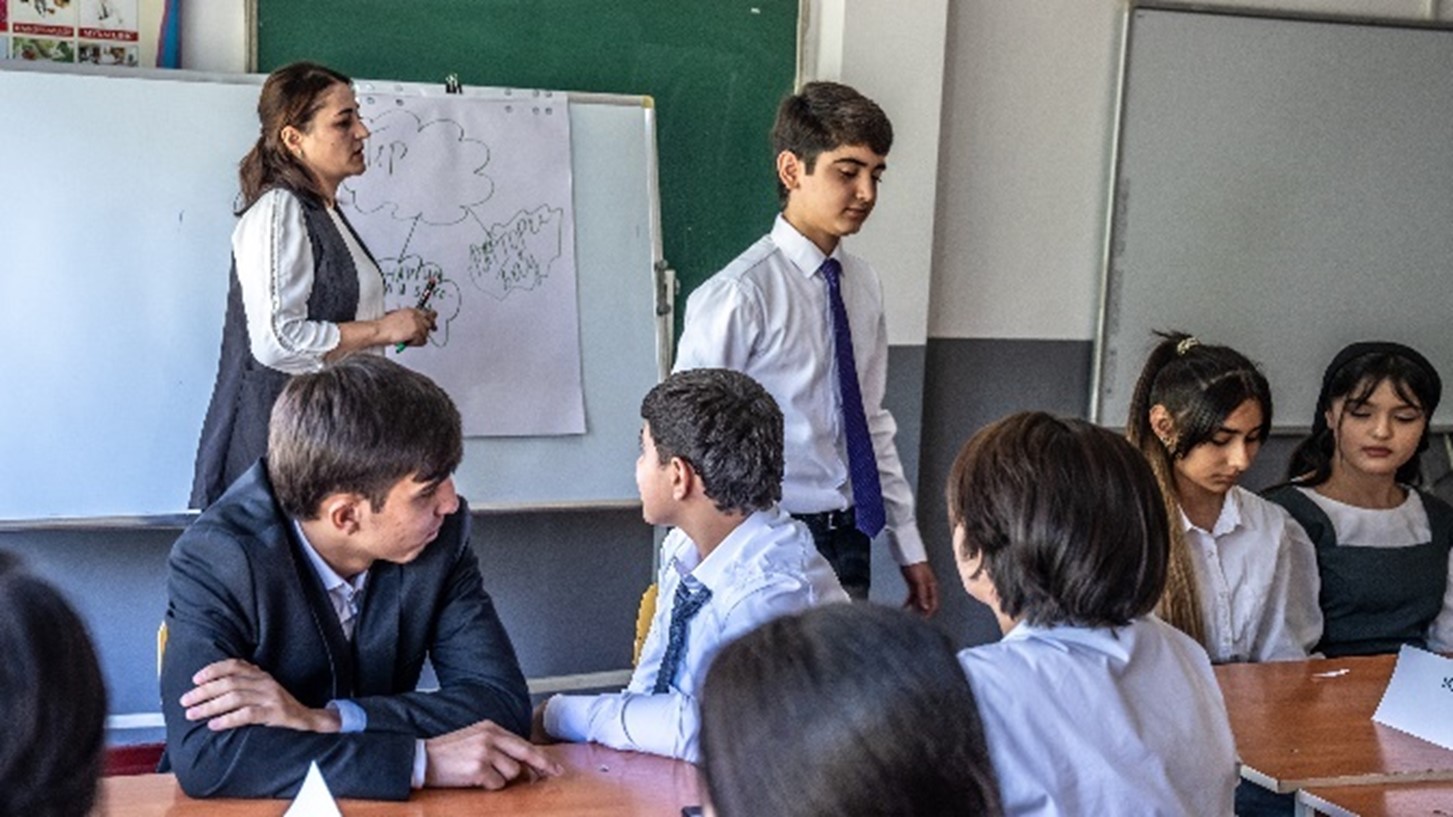
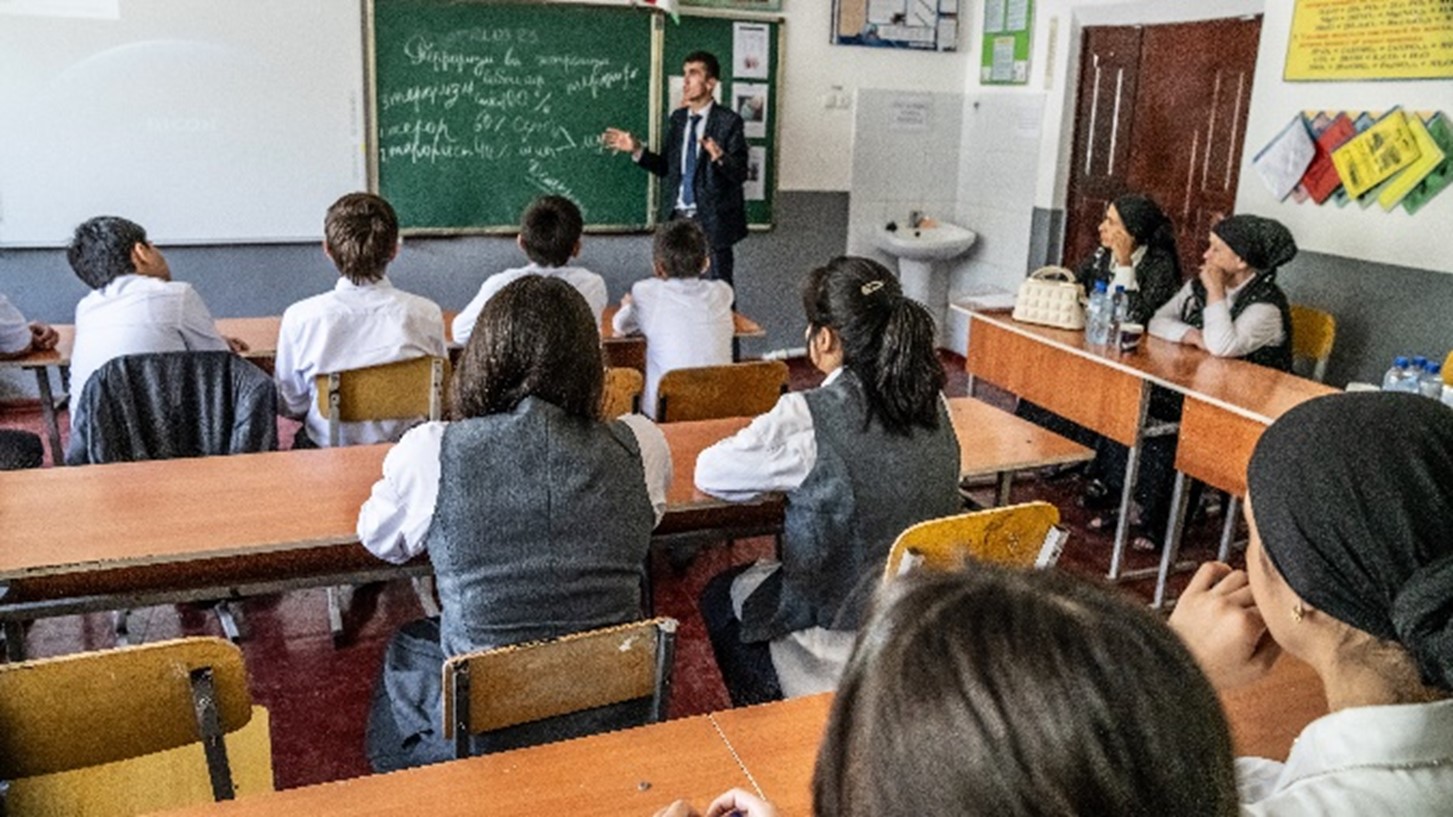
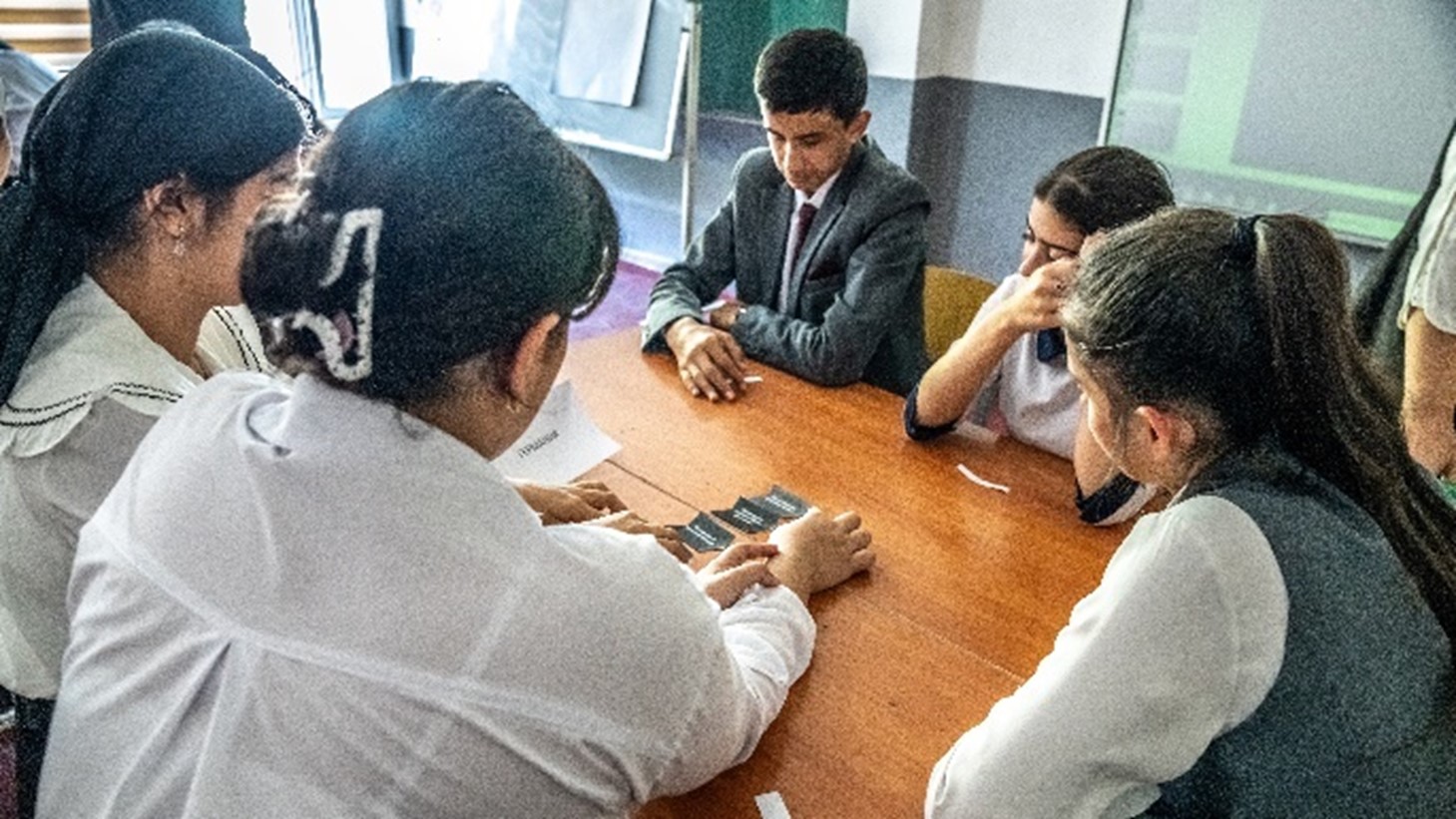
Facultative Sensitization Sessions in Dushanbe, September 2023
In terms of content, the ToT focused on introducing a basic understanding of the legal provisions on preventing and countering extremism, terrorism, risks of radicalization via internet and the abuse of religious statements by extremist groups. Moreover, interactive and playful methods for working on the sensitive topic with school children were presented to the young teachers. The trained teachers were subsequently recommended to choose two of the topics from the ToT for their facultative sessions. Most teachers went for a general introduction and risks of internet radicalization, which is considered one of the main paths to extremism in Tajikistan.
Regarding the outcomes, the main added value is seen in the overall process, starting from the development of the training manual. As the manual was endorsed by the Ministry of Education, the General Prosecutor’s Office and other agencies, the process provided the chance of bringing certain subject matter related aspects into the commonly accepted fundus in the Tajik debate, such as the relevance of prevention, the important role of civil society and youth and the importance of better religious education. Another positive outcome is the sensitization of the young teachers, who not only volunteered to hold the facultative sessions, but also pledged to spread the knowledge among their colleagues and make use of the knowledge in their regular curricular teachings. For the school children, the most tangible insight to take home from the facultative sessions has probably been the hints on how to detect extremist content, to be more careful and conscious when posting in social media and how to avoid unwillingly supporting extremist posts.
So far, the statistical outreach of the measure has been as follows: altogether, 36 participants underwent the training for teachers, among them 23 females and 13 males. Among them, ten conducted two pilot facultative sessions each at five secondary educational institutions in Dushanbe. These sessions reached a total of 200 students, comprising 94 girls and 106 boys.
Youth Camps “Sozandagoni Fardo”
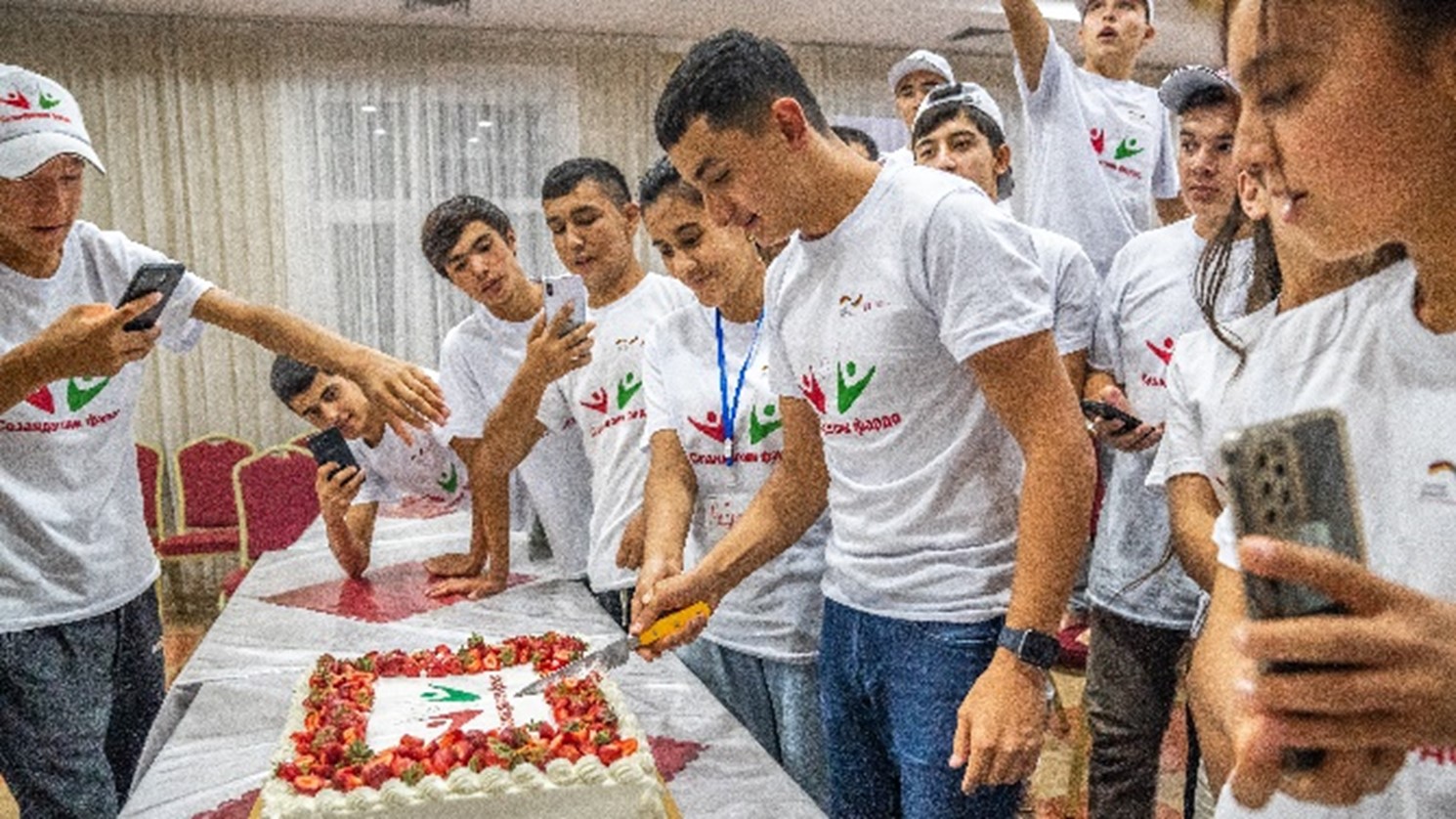
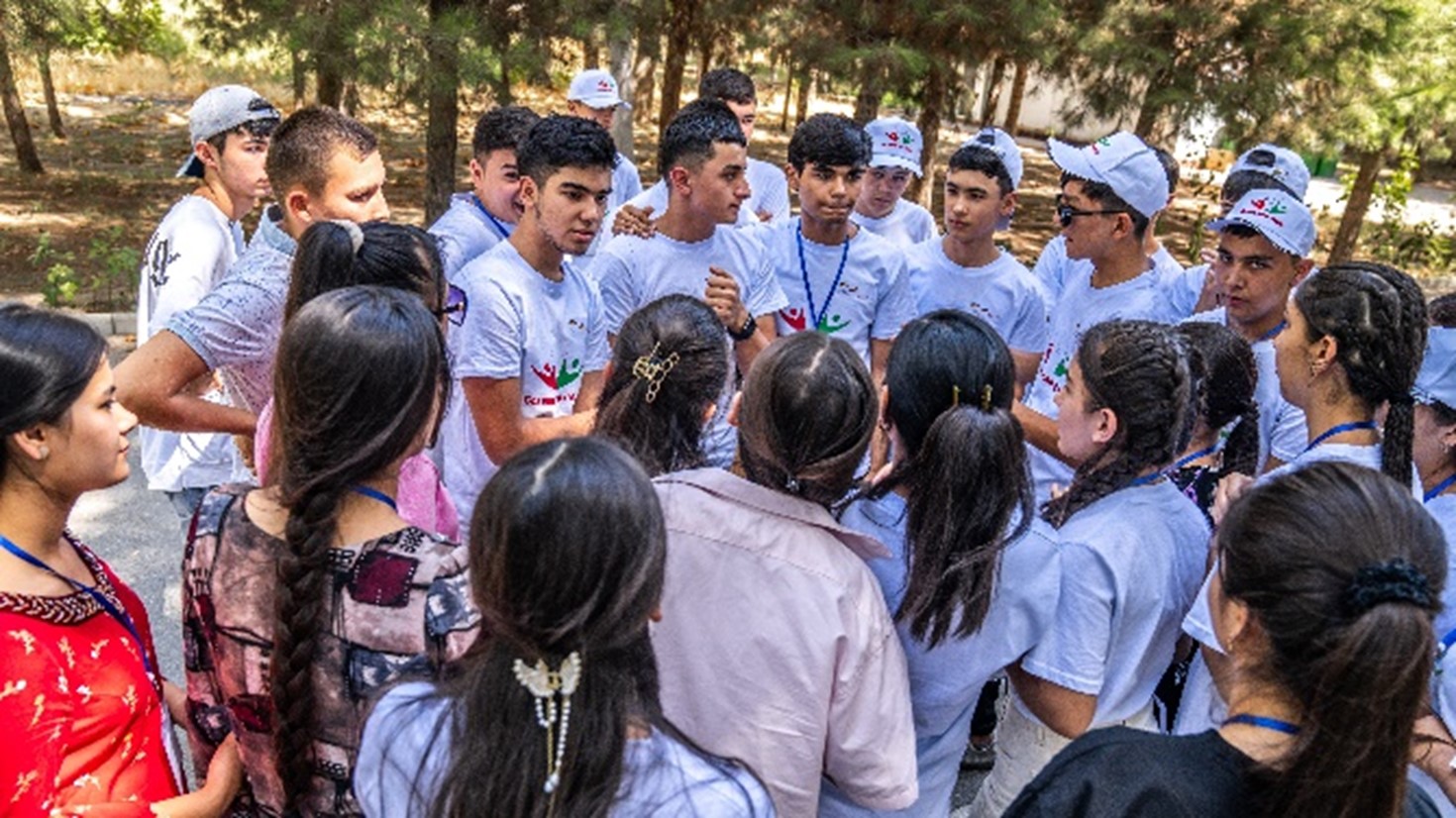
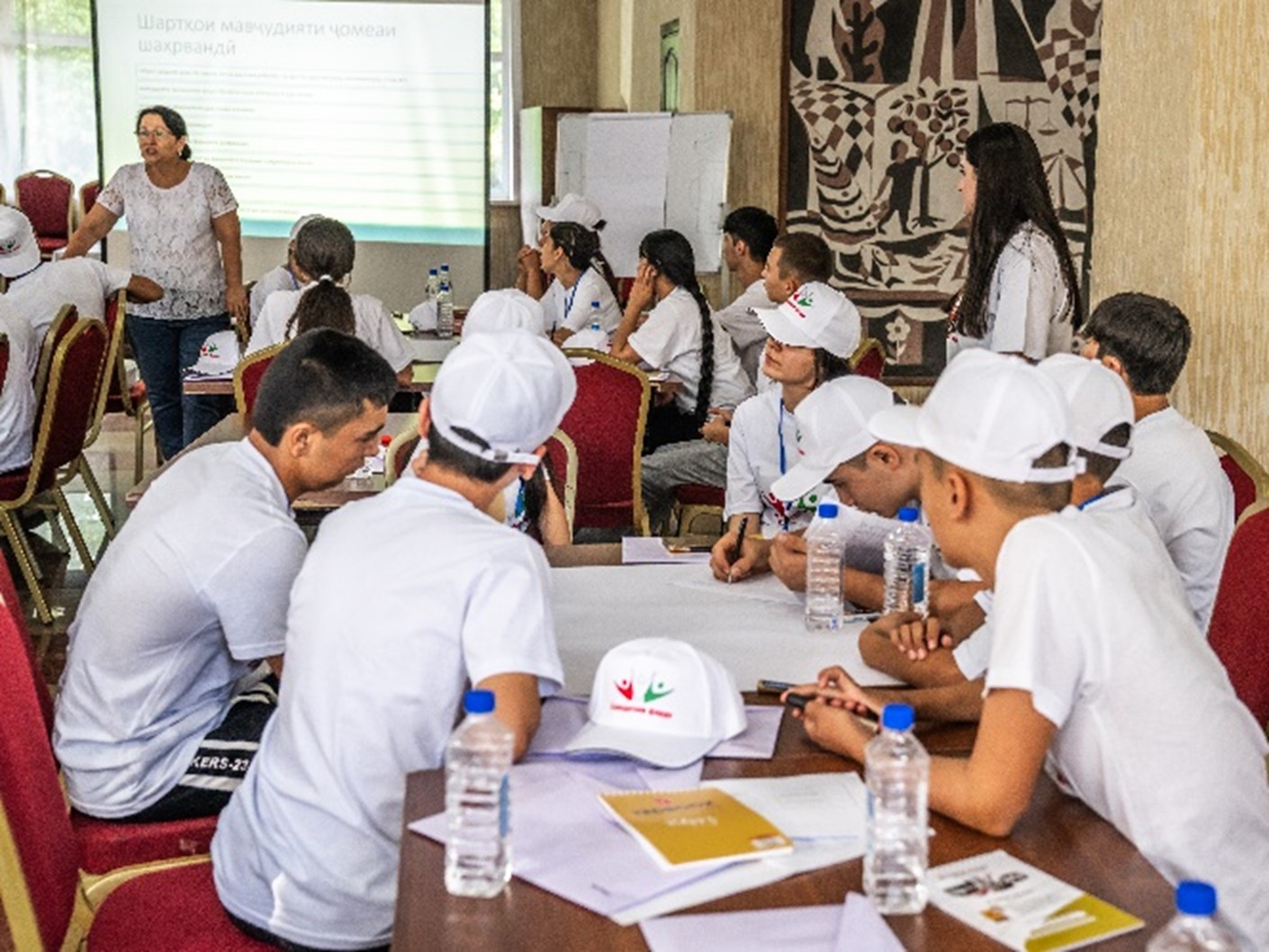
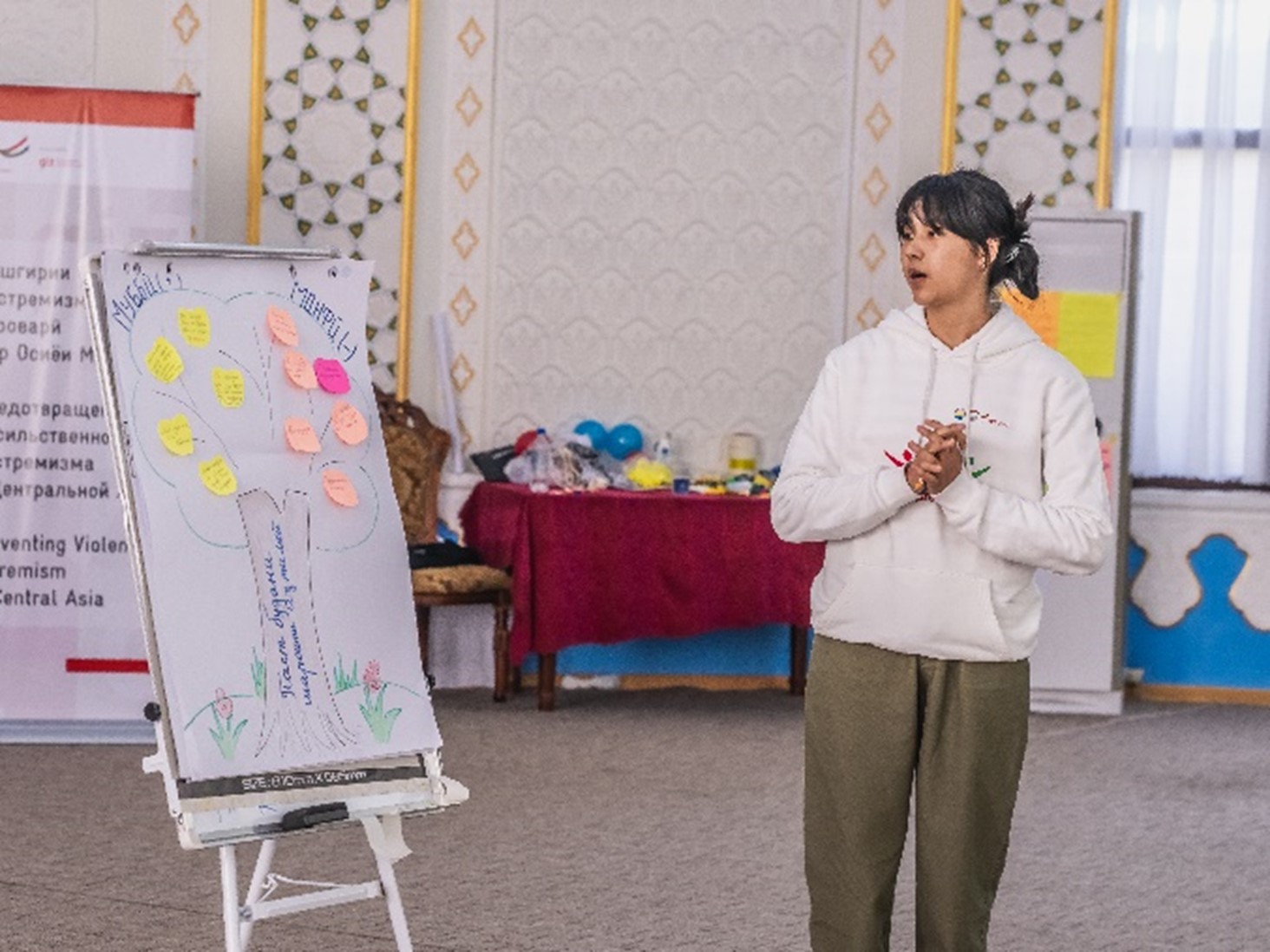
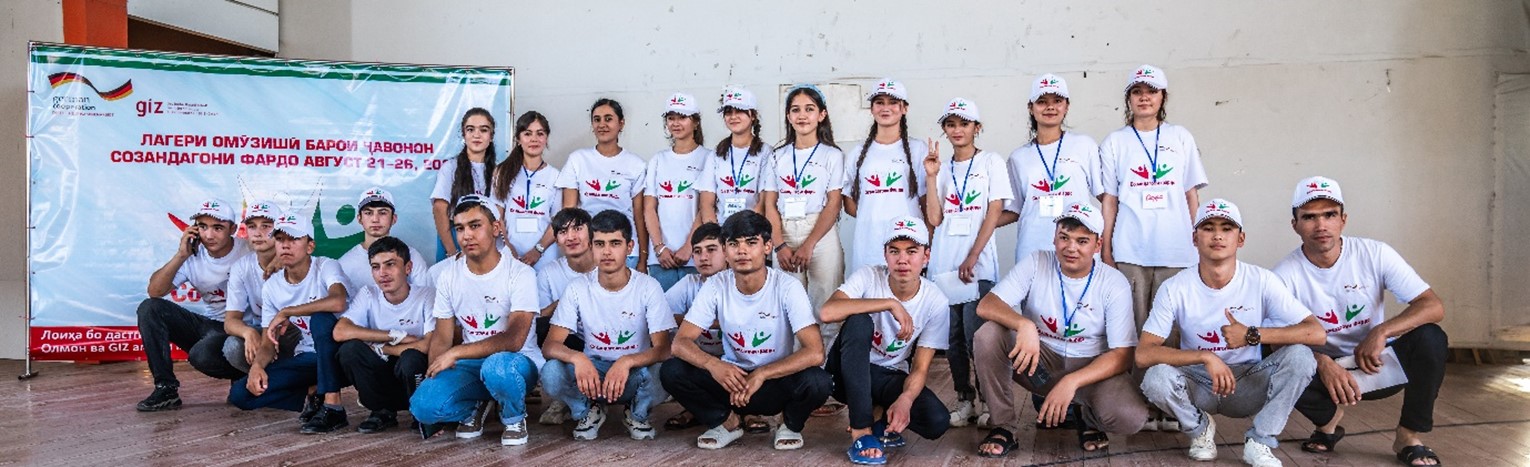
In cooperation with a local CSO from Northern Tajikistan, Markazi Dastgirii Jamoati Vorukh (MDJV), PREVECA project started a series of Youth Camps under the logo “Sozandagoni Fardo”. The pilot camp was held in August 2023, comprising youth from Bobojon Ghafurov, Isfara and Konibodom in the Northern Sughd region. The 5-day program comprised a mixture of lectures and educational sessions, interactive exercises and games, group work and leisure activities for 37 students aged 15-17. In a playful manner, participants of the camp were familiarized with basic terminology and the Government’s approach to preventing and countering extremism and terrorism, with the role of civil society in preventive efforts, with the importance of critical thinking and the risks posed by internet propaganda and how to detect extremist posts. Much emphasis was put on interactive learning methods such as group work, playful exercises, creative tasks, and games. In their spare time youth could pursue sports and other leisure activities.
 |
 |
 |
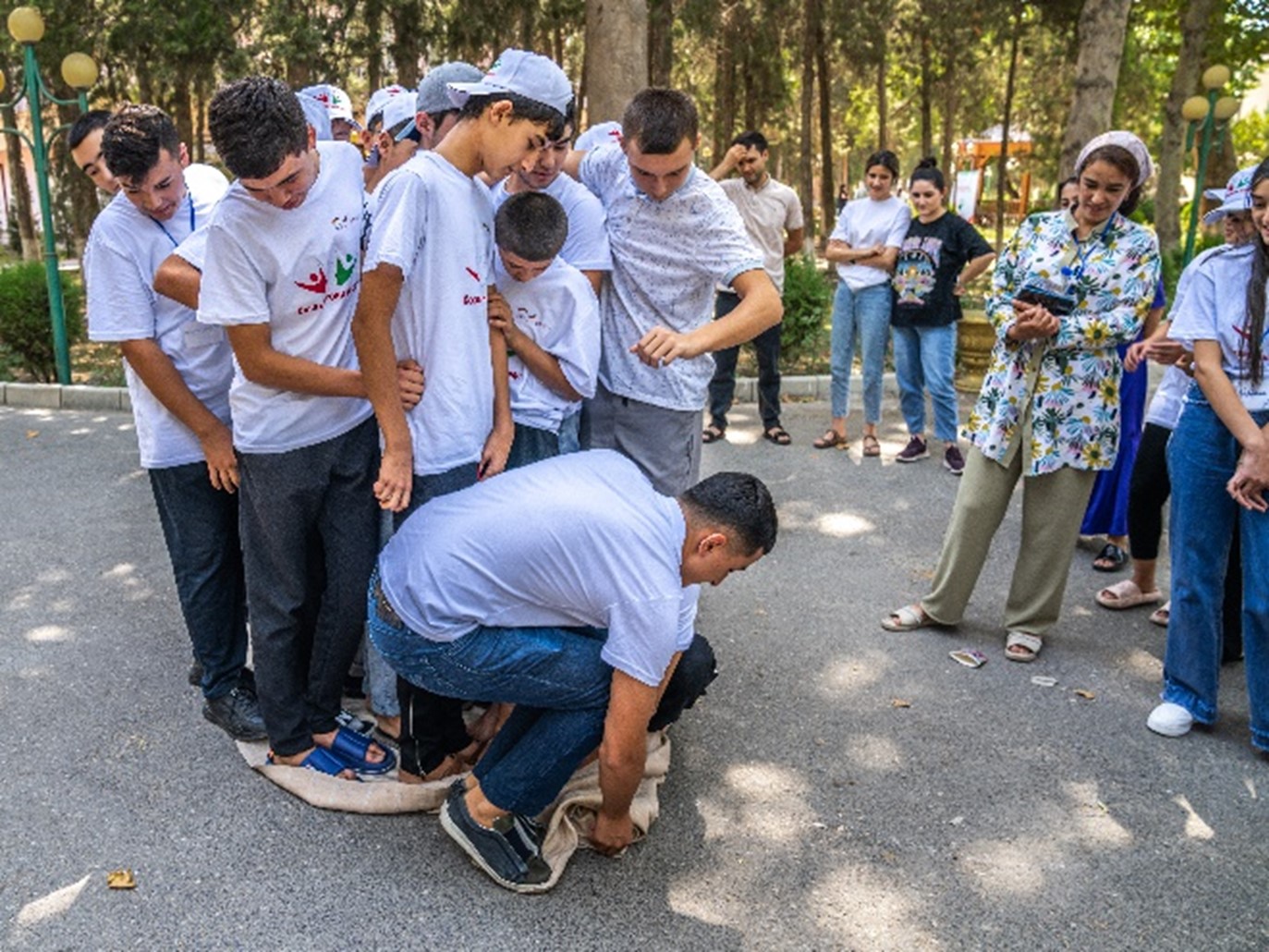 |
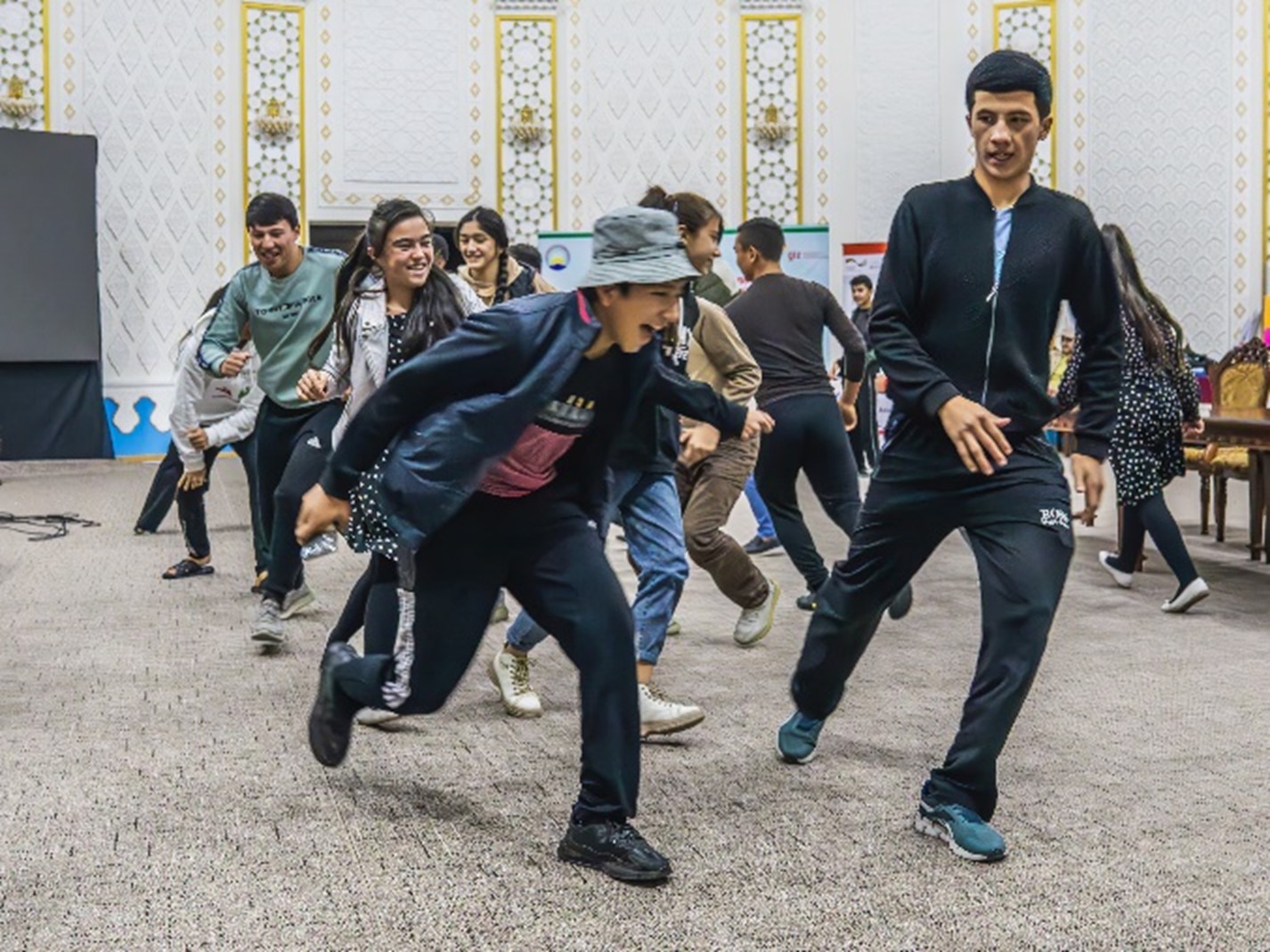
The response of participants was overwhelmingly positive. Not only the oral and written feedback on the final day showed that the program content and choreography met the needs of the youth very well. Moreover, the level of voluntary engagement and initiative during and after the camp was testament to the enthusiasm of the youth. On the third evening, most participants engaged in voluntarily preparing and performing a comprehensive cultural program, showing their skills in dancing, singing, citing poems, performing sketches and other arts. After the camp, a group of highly engaged young people established a group on WhatsApp. In this group, they have since been exchanging how they shared what they have learnt during the camp with their school mates and their families, how they have been engaging in voluntary activities such as charity events or texts and presentations they have produced.
 |
 |
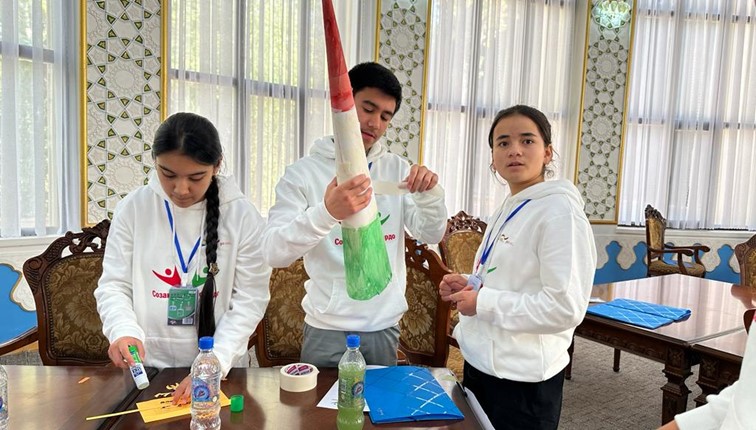
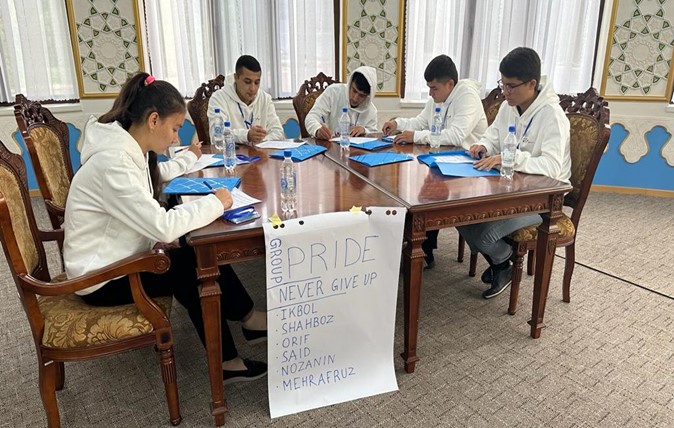
The pilot camp was thoroughly evaluated and some improvements and adjustments were made to the program of the second camp in November 2023. Youth from three additional districts (Istaravshan, Khujand, and Spitamen) were added, while the size of the groups from each district was reduced, resulting to a group of 37 participants including district team leads, recruited from among school teachers.
In order to keep the positive momentum of the camp and transfer it to the daily life of participants, follow-up activities to the camp were introduced. Each group developed one idea for a follow-up activity in their home jamoat during the camp. With a little funding of a maximum of 500,- EUR per group, the groups have commenced preparing and implementing their follow-up activities in December 2023.
 |
 |
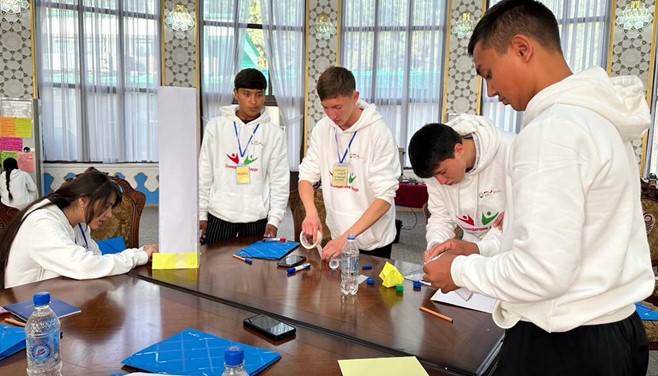
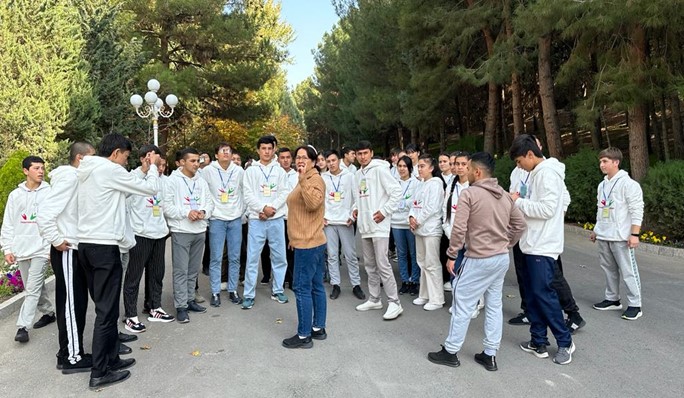
Often without a direct reference to the topic of preventing violent extremism, follow-up activities resulted in camp alumni getting active and spreading the spirit and logo of the camp, thereby contributing to the overarching goal of empowering youth and instilling a sense of purpose and agency in them. Follow-up activities included a wide range of ideas such as e.g. creating a chess club, renovating a school library or supporting a local shoemaker.
 |
 |
PREVECA project has planned at least two more youth camps in 2024. In the second half of the year, an event is foreseen to gather all those youth who have actively participated in follow-up activities and to award the best initiatives in order to strengthen the network of engaged youth.
For the time being, the statistical outreach has been as follows: the camp in August 23 had 37 participants, among them 21 boys and 16 girls. The camp in November comprised 31 participants, among them 23 boys and 8 girls.
With view to the outcomes, the format of youth camps has proven particularly effective. The playful format allowed for a better understanding and absorption of the subject matter related messages regarding prevention of violent extremism. Due to the intense time spent together in the camp, which allowed also for emotional experience and social bonding, impressions and memories have had a much longer lasting impact than training events. This could be derived from the direct feedback from participants as well as the level of attention and engagement from participants during the camp and even more so from their enduring engagement after the camp. Especially through the follow-up activities, the project fostered active networking, exchange and cooperation among participants after the camp and extended its outreach into their respective home communities.
 |
Youth Center “Sozandagoni Fardo” in Sarazm
Another approach to reach out to youth in an especially risk-prone jamoat in a Western border region of Tajikistan, Sarazm, was designed in cooperation with the local CSO “Javononi Peshsaf”. With the aim of improving the mid to long-term opportunities for children and youth in this jamoat, thereby strengthening their resilience against drugs, crime and extremist propaganda, the idea of establishing a youth center was born in July 2023.
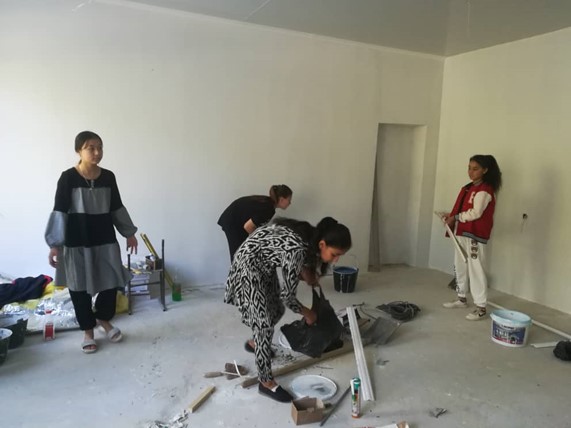
After identifying a suitable venue in terms of safety, location and costs in the premises of the local mayor, the long-term use of two rooms free of rental charge were negotiated and guaranteed in written form in August 2023. The rooms needed fundamental renovation. From the outset, local children and youth were informed about the endeavor through cooperation with local schools and invited to join and help already in the renovation phase.
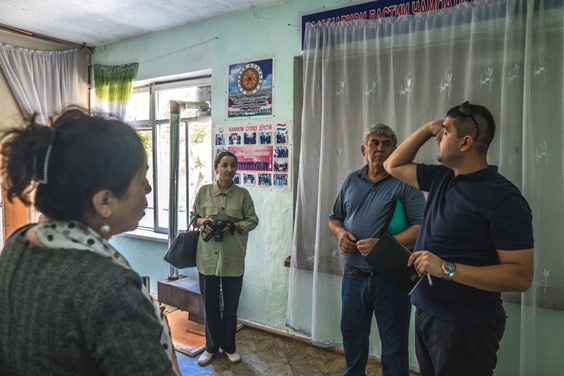 |
Assessment of renovation needs of the rooms |
 |
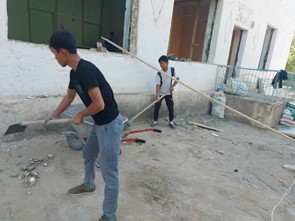 |
Helping with the renovation |
|
Parallel to the ongoing renovation, interested children and youth brainstormed about their interests and expectations regarding the activities on offer at the youth center.
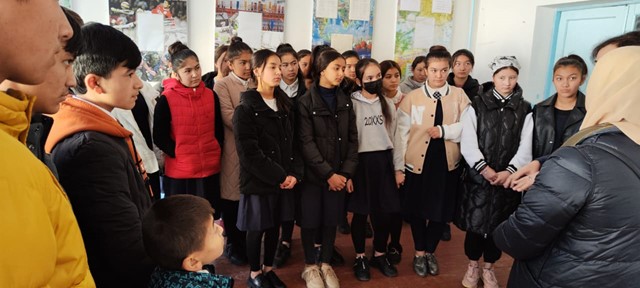 |
Brainstorming about the potential program of the center at a school |
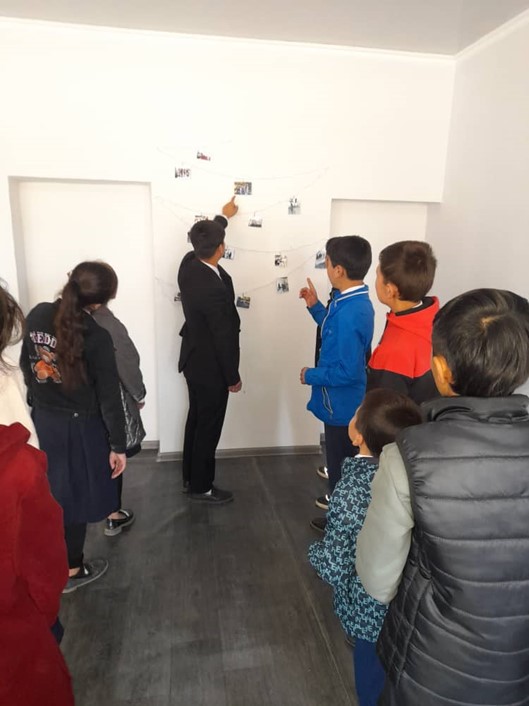
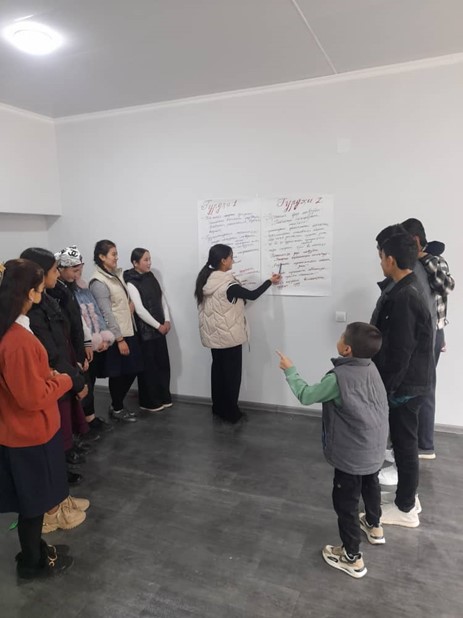
After completing the renovation in October 2023, first pilot activities were held and the inaugural event was prepared.
 |
 |
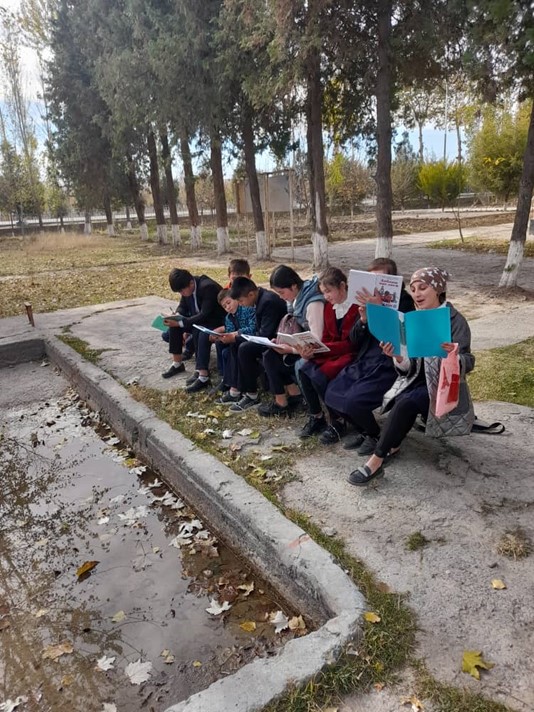 |
Pilot activities October and November 2023 |
||
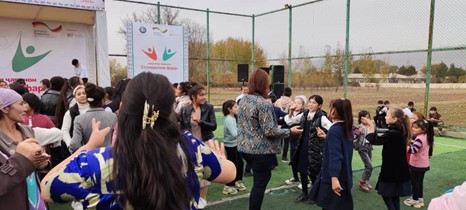
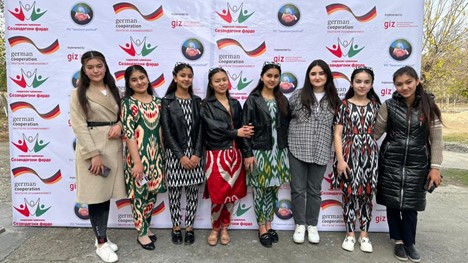
With the help of an event management and media company, a professional and memorable opening event was celebrated on 14 November 2023 with the participation of official representatives from Sarazm jamoat, GIZ country director and Project Head of PREVECA. Numerous children and parents came to attend the event and participate in the numerous games and dancing.
 |
 |
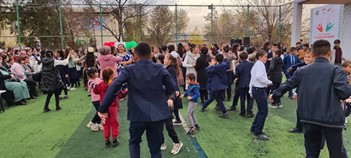 |
Opening event of “Sozandagoni Fardo” youth center |
In order to keep the positive momentum and meet expectations created by the inaugural event, PREVECA project supported “Javononi Peshsaf” which took every effort to offer an interim daily program of the youth center right after its opening.
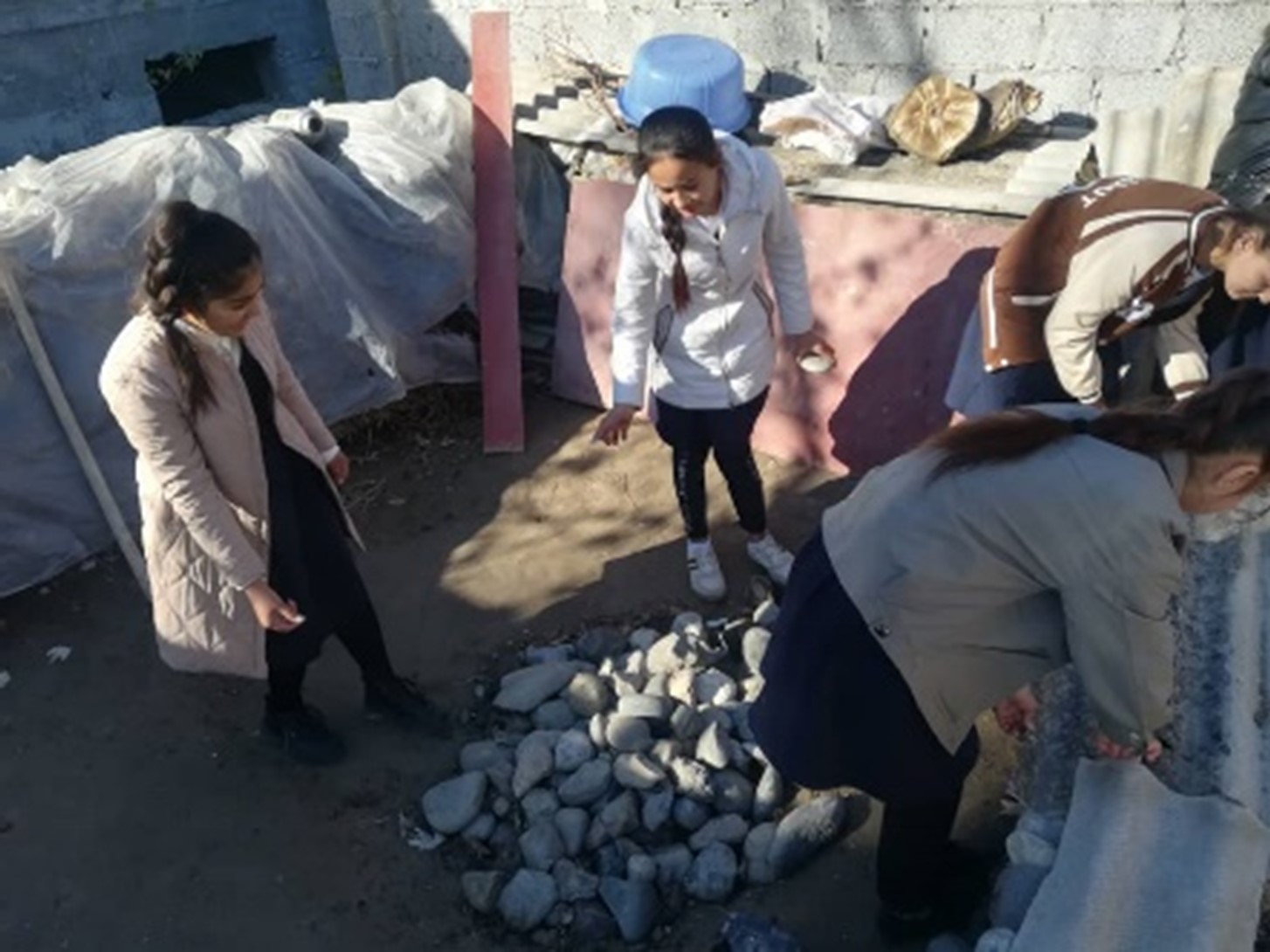
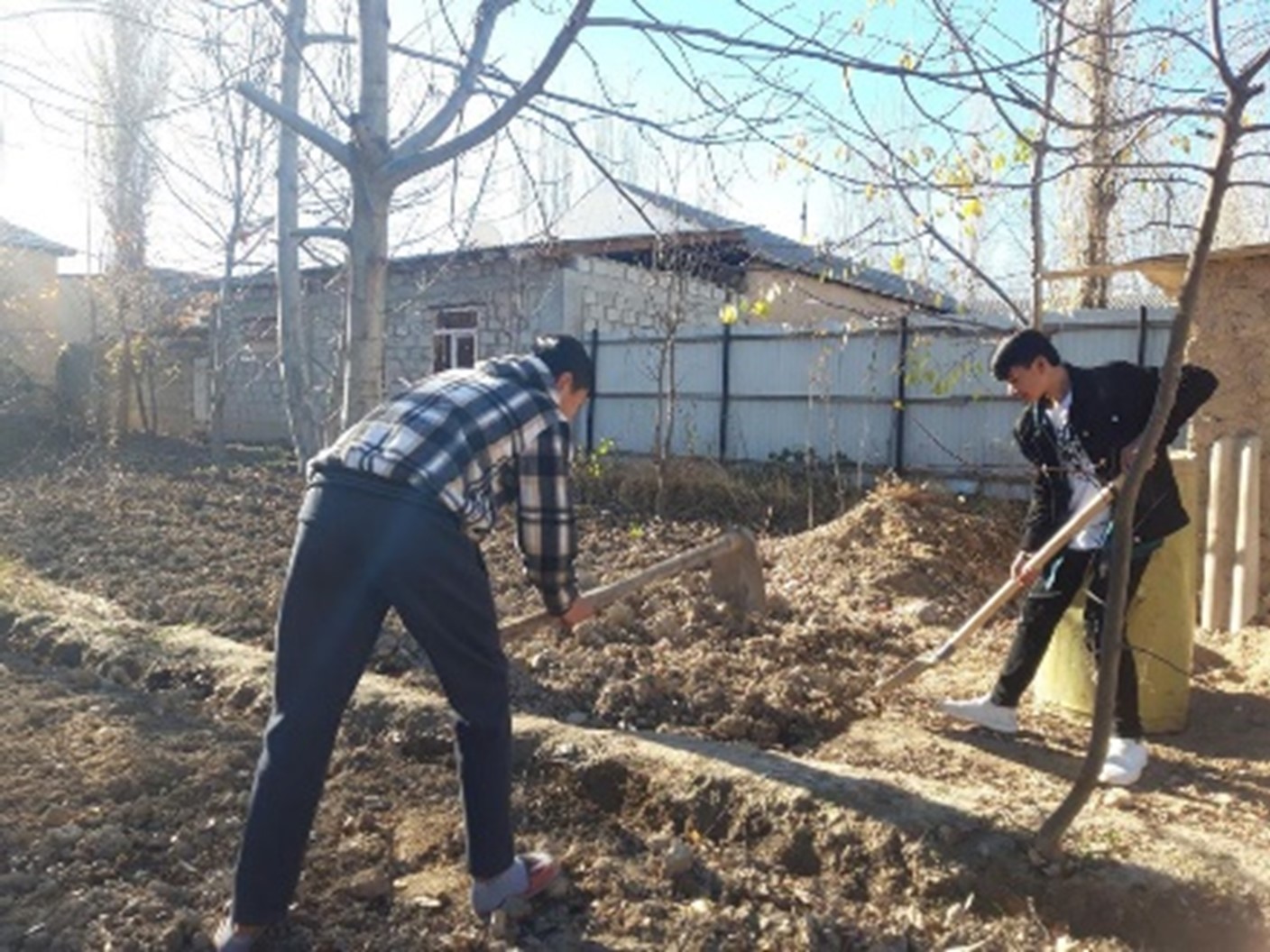
Activities included charity days to help elder people with their chores, dance classes, etc. Currently, preparations are under way to systematically set up a program and mobilize more children and youth to get actively engaged. According to the participants list, 45 children and youth directly participated in the activities of the center in December, among them 14 boys and 31 girls.
 |
 |
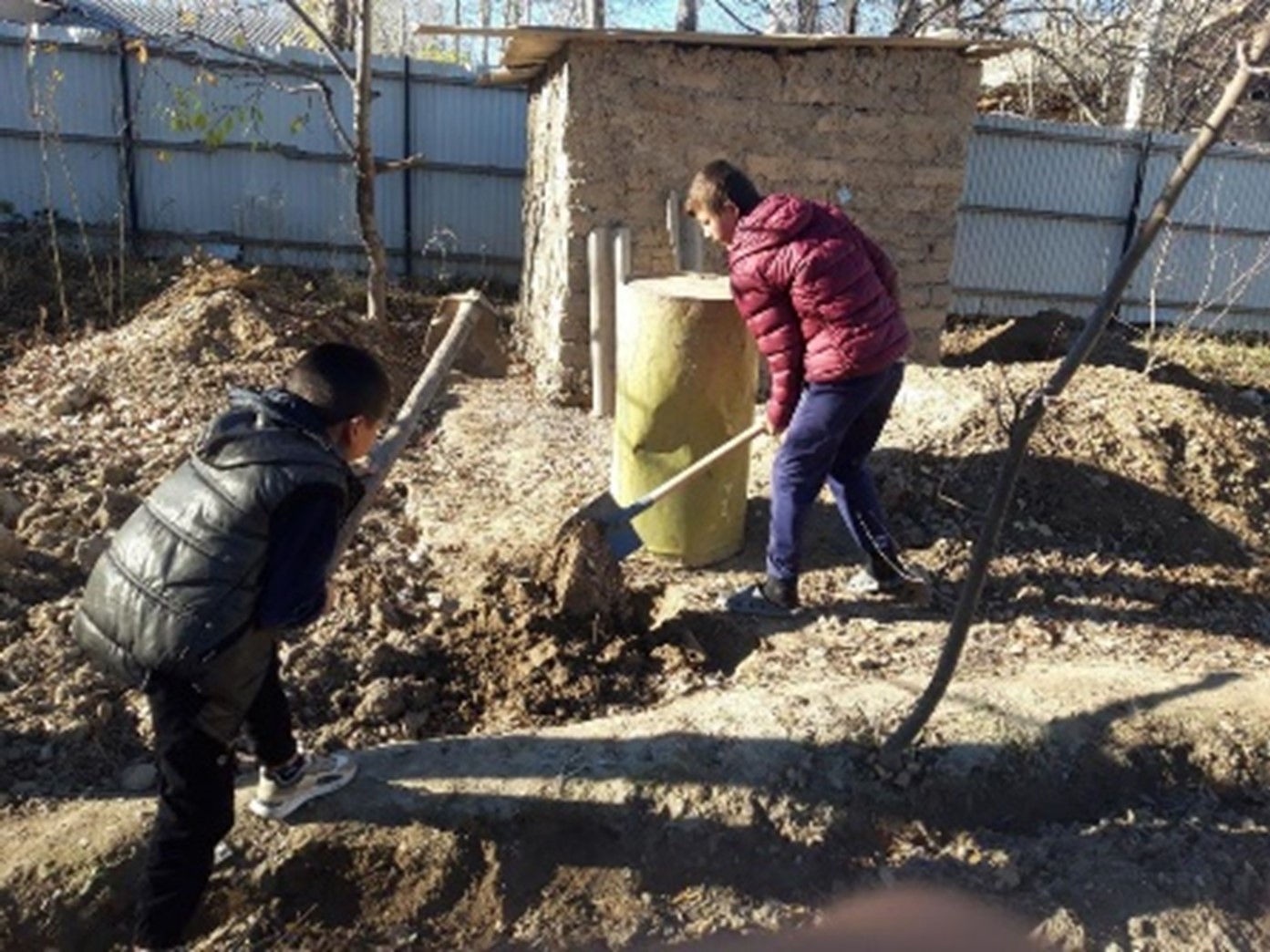 |
Charity day, helping elder people with their chores |
||
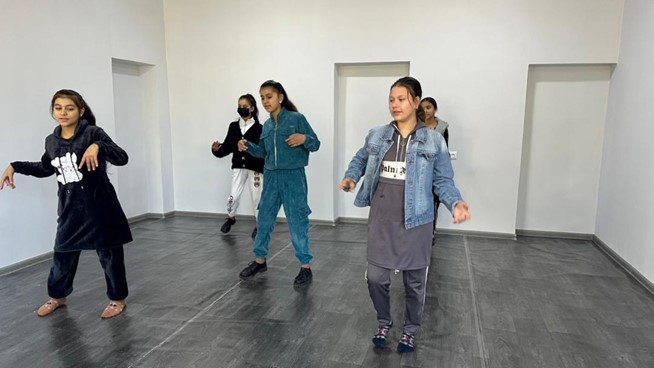 |
Dance class |
A continuous challenge has been to actively include children and youth into every step of establishing the youth center and developing its program. Some girls might face reluctance from their parents to get involved, most children are not used to their ideas and voice being heard and having the opportunity to take things in their own hands. Moreover, the approach to actively engage the children and youth also needs convincing the partnering CSO, parents, schoolteachers and local authorities. This will be a continuous work in progress and a learning journey.
